Malta Ordinary Residence
An assessment of your residence and domicile status in Malta, with your returns filed on that basis.
- Malta Institute of Taxation member
- Minimum tax checked for your situation
- Advice when the law changes

You will speak with Andrew Fenech
Why Borg Galea
Accounts and audit alongside
Your accounts, audit and corporate work through the same relationship as your tax.
A firm of 115+ people
We have grown from two people at the 2017 founding to 115+ at Borg Galea.
A team in Birkirkara
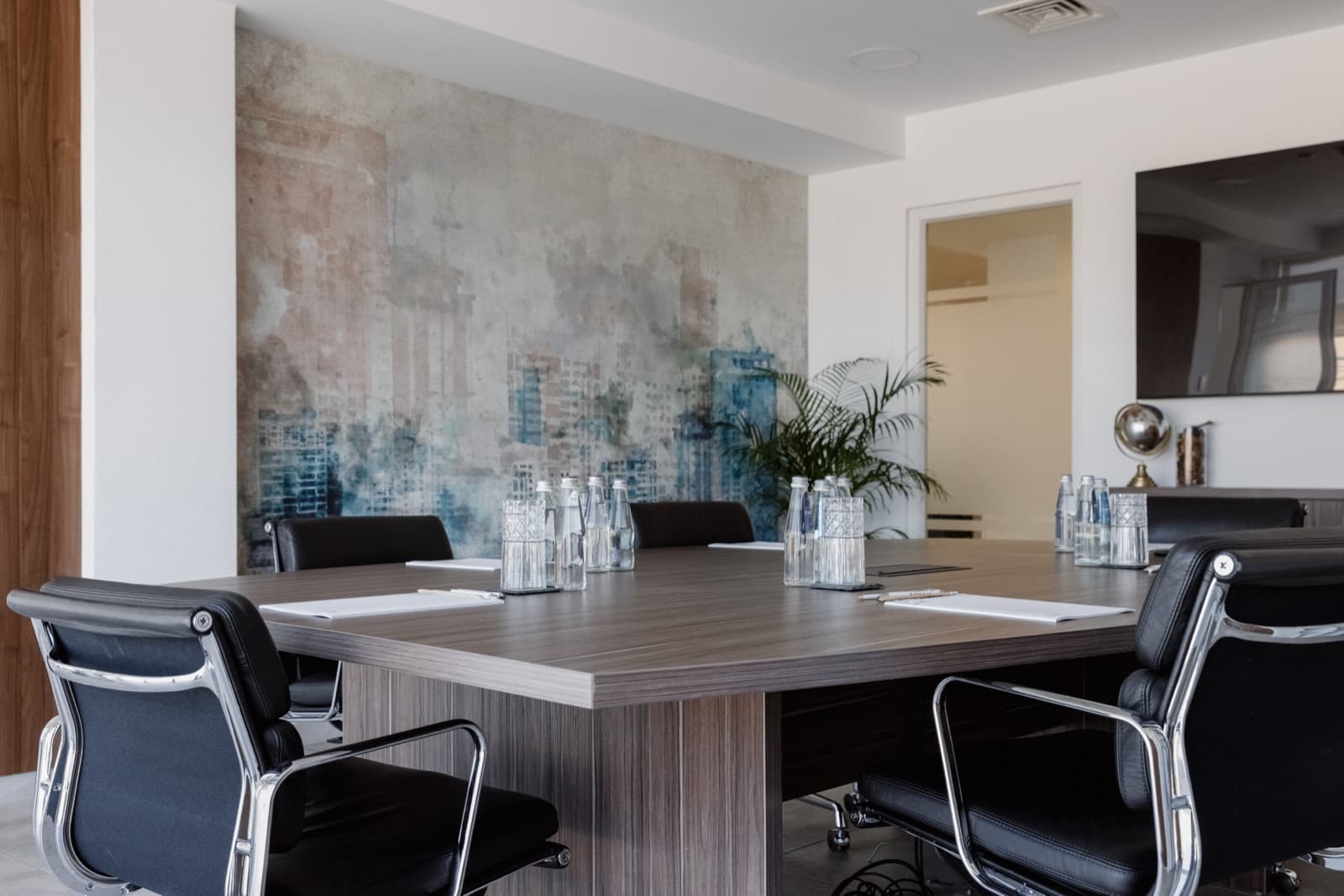
The team works from our office at Centris Business Gateway, Birkirkara.
“I have been a client of Borg Galea & Associates for 5 years and have always found their services to be extremely professional and approachable. They support me through many financial tasks, both on a personal level and in respect of my company. They also enlist the help of other professionals to ensure that informed decisions are made. I highly recommend their services.”
 Daniel CutajarDino’s Motors
- Borg Galea is a member of FinanceMalta, IFSP, MIA, MIT and MEA.
How ordinary residence affects your tax
These rules apply if you are ordinarily resident but not domiciled in Malta. Exceptions apply, for example to holders of long-term or permanent residence status.
- 01
Foreign capital gains
Capital gains arising outside Malta are not taxed in Malta, whether or not you remit them.
- 02
Foreign income
Foreign income is taxed in Malta only to the extent it is received in or remitted to Malta.
- 03
Income arising in Malta
Employment and other income arising in Malta is generally taxed at the progressive rates.
How we plan your position
- 1
A first call
We go through where you live, where your income comes from and what you want to achieve.
- 2
We plan your tax position
We set out how the remittance basis applies to your income and plan within legal boundaries.
- 3
Returns and ongoing advice
We file your annual returns and advise when the law changes, as agreed in your written proposal.
How Malta ordinary residence and domicile are assessed
Residence and domicile are two separate tests. Ordinary residence turns on your links to Malta. Domicile is a legal concept that refers to your permanent home, or the place where you have the strongest ties. You can be ordinarily resident in Malta while keeping your domicile elsewhere, and that combination is what brings the remittance basis into play.
Once you are resident, you register with the Maltese tax authorities, obtain a tax identification number and file an annual tax return. If you are not an EU citizen, you also need a residence permit for a longer stay.
Malta also offers several tax residence programmes for non-domiciled individuals, each with its own conditions. We help you work out which programme, if any, suits you better than the ordinary rules, and we support you through the application. We also check which double taxation agreements apply to your income from abroad.
Who you will work with
Christine Ann Galea leads direct tax. We work from our office in Birkirkara.
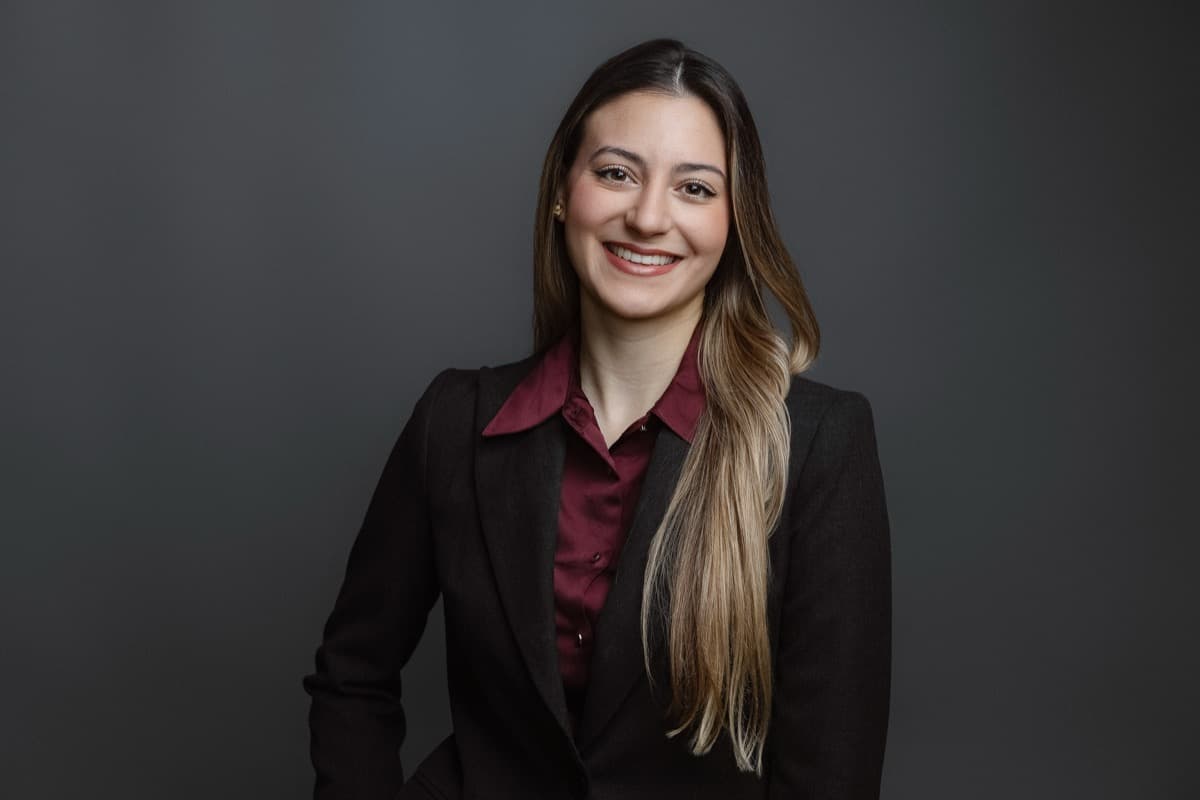
Christine Ann Galea
Tax Transformation Leader
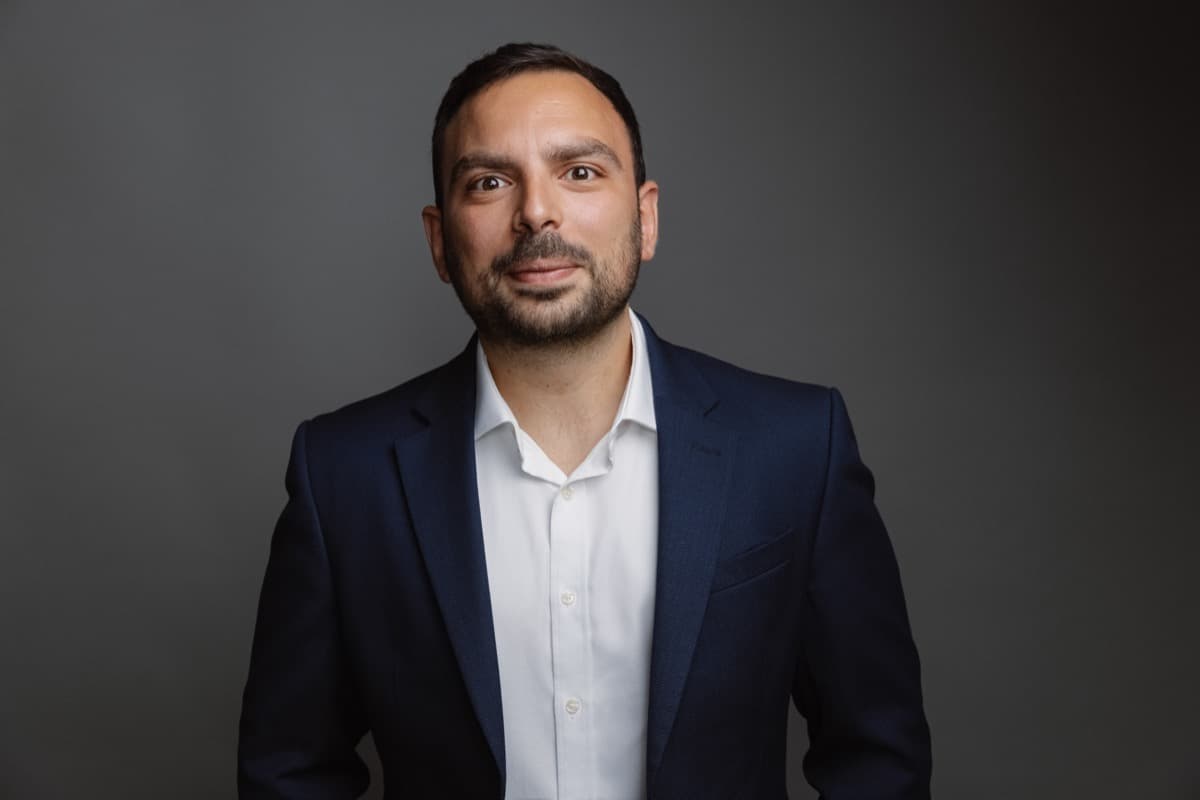
Andrew Fenech
Frequently asked questions
What is the Malta Ordinary Residence Scheme?
It is not a government programme. The term describes how Malta taxes people ordinarily resident but not domiciled; exceptions include long-term and permanent residents and those whose spouse is ordinarily resident and domiciled in Malta.
Is there a minimum tax?
A minimum annual tax can apply to non-domiciled people who are ordinarily resident. The amount and conditions are set by legislation and may change, so we confirm what applies to you.
Do I need to live in Malta permanently?
Ordinary residence depends on your links to Malta, such as where you live and how much of the year you spend here. We assess your position on the first call.
What does the first consultation cost?
The first 30-minute call is free and without obligation. Any further work is agreed in advance in a personalised written proposal, with no hidden charges.
Ask about your non-dom tax position
Tell us where you live, your links to Malta and where your income comes from.
You will speak with Andrew Fenech